Reading an old Provençal house before the first quote
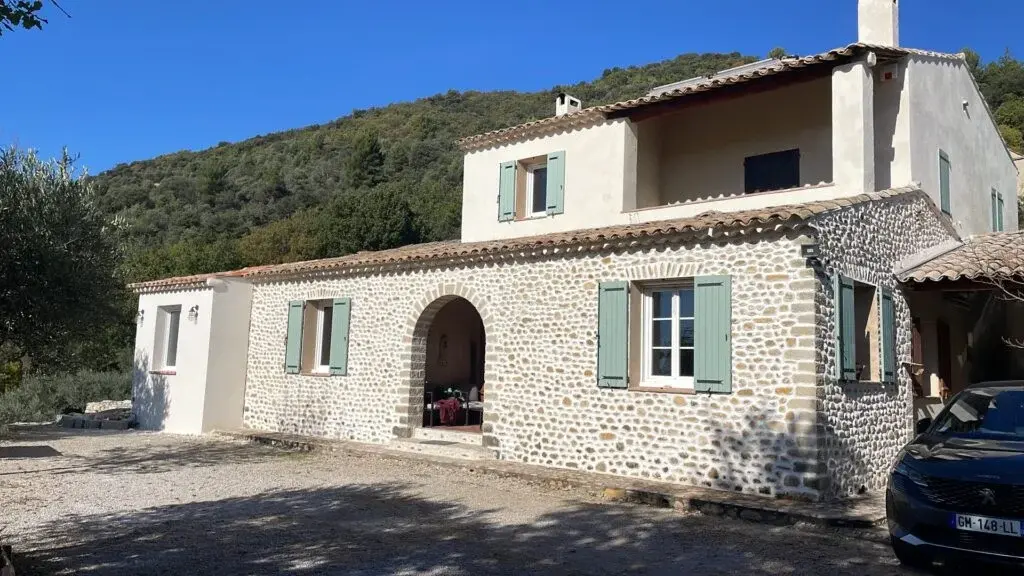
No two mas are built alike. Most began as a single farm building with thick walls of rubble stone laid in earth or lime mortar, then grew room by room as the family and the harvests grew. Bastides are more formal, with symmetrical facades, rendered walls and generous stairwells, but they tend to suffer from the same weaknesses: damp at the foot of the walls, tired roof timbers and decades of cement patches that stop the stone from breathing.
That is why every project starts with a survey of the building itself. We look at the load-bearing walls and their cracks, the condition of the beams and the roof, drainage around the house and the age of the electrics and plumbing. For buyers who are still negotiating, this visit helps put a realistic figure on the works before anything is signed with the notary (notaire).
- Cracks, bulging walls and settlement, often linked to clay soils after dry summers
- Roof structure, canal tiles and the génoise eaves
- Rising damp, salt stains and cement renders that trap moisture
- Existing electrics, plumbing and drainage, often several decades old
- Earlier extensions, openings and outbuildings that may need reworking
Stone, lime and terracotta: working with the original materials
The most common mistake on old Provençal houses is sealing them in cement. Hard cement renders and pointing lock moisture inside the walls, and that moisture then escapes through the stone itself, which crumbles over time. On a mas or a bastide we go back to lime: raking out failed joints, repointing exposed stonework with lime mortar and applying lime renders in colours that sit naturally in the landscape.
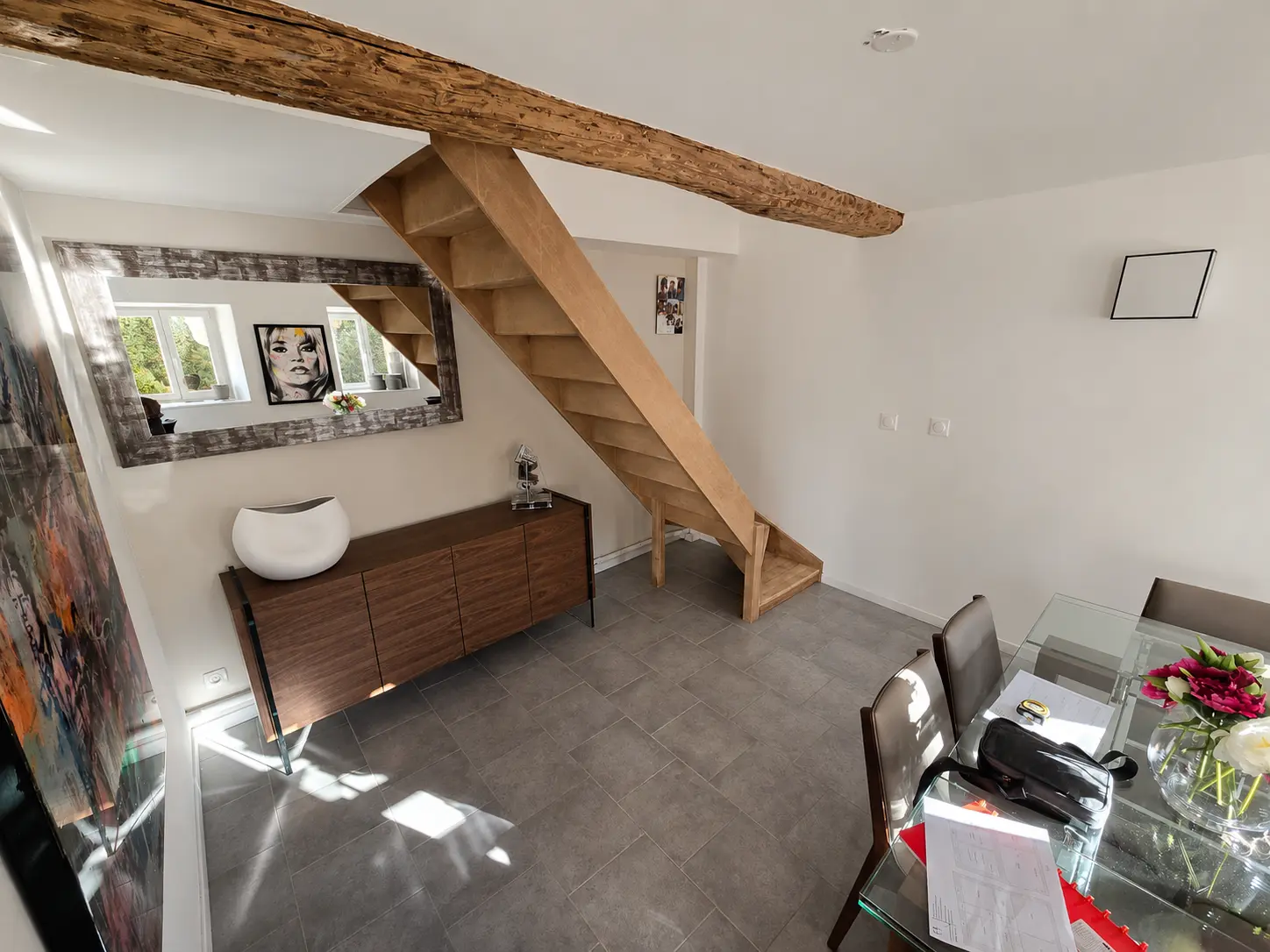
Inside, the same logic applies. Wherever they can be saved, we keep the terracotta floor tiles, stone sinks, fireplaces and old beams, and look for matching materials when repairs are needed. New openings, such as a wider kitchen doorway or a new staircase, are designed around the stone, with lintels and supports sized for the wall rather than forced into it.
- Lime mortar repointing of exposed stonework
- Traditional lime renders in colours suited to the region
- Repair of canal-tile roofs and génoise eaves
- Restoration or reuse of beams, floor tiles and stone features
- New openings in load-bearing walls with properly sized lintels
Every trade coordinated, from structure to finishes
A full renovation of a mas or a bastide typically brings together masons, roofers, carpenters, plumbers, electricians, plasterers and tilers. ACR Provence is an all-trades building company (entreprise tous corps d'état): one site manager plans the sequence of works, coordinates our teams and our regular subcontractors, and stays your single contact from the first visit to the handover.
Structure and masonry
Stitching cracks, rebuilding damaged sections of stone wall and opening load-bearing walls with the right supports in place.
Load-bearing wallsRoofs and timber frames
Replacing rotten rafters, relaying canal tiles and rebuilding génoise eaves so that rainwater runs clear of the walls.
Canal tilesStone and lime
Repointing, lime renders and the repair of the stone walls and low garden walls that frame the property.
Breathable finishesPlumbing, electrics and heating
Complete rewiring to current French standards, new plumbing and drainage, and heating systems chosen to suit thick stone walls.
Brought up to standardJoinery and shutters
Windows, doors and shutters made to fit the existing openings, so the proportions of the facade are kept intact.
Made to measureFloors, walls and interiors
Plasterwork, tiling, terracotta floors and paintwork, finished so that the old and the new sit comfortably together.
Finishing tradesRecent work on character properties
A few projects carried out by our teams in the south of France, from complete renovations to exterior restoration with traditional render.
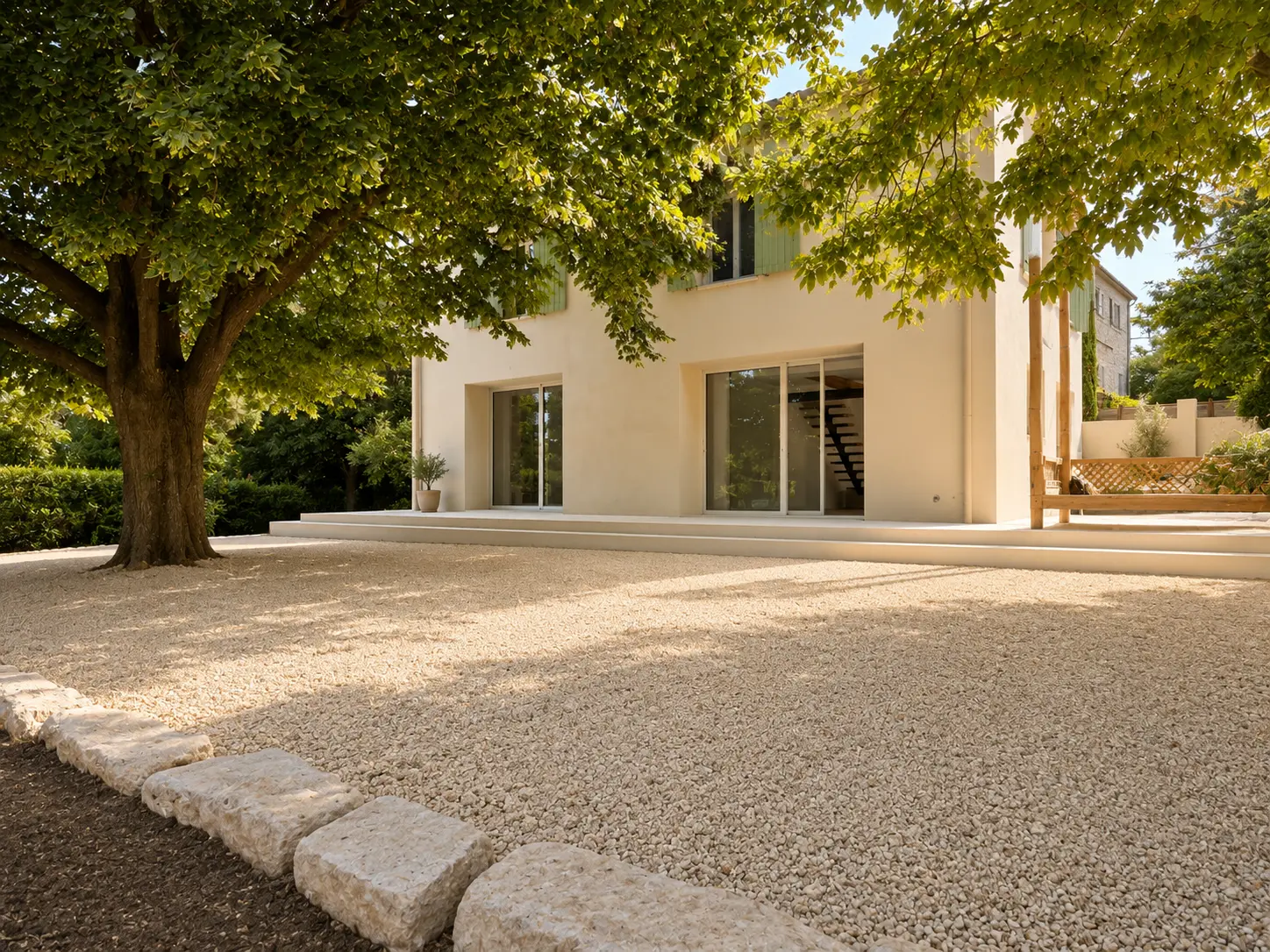
Complete renovation of a family villa
Full renovation of a villa with a swimming pool, inside and out, managed from the first survey to the final finishes.
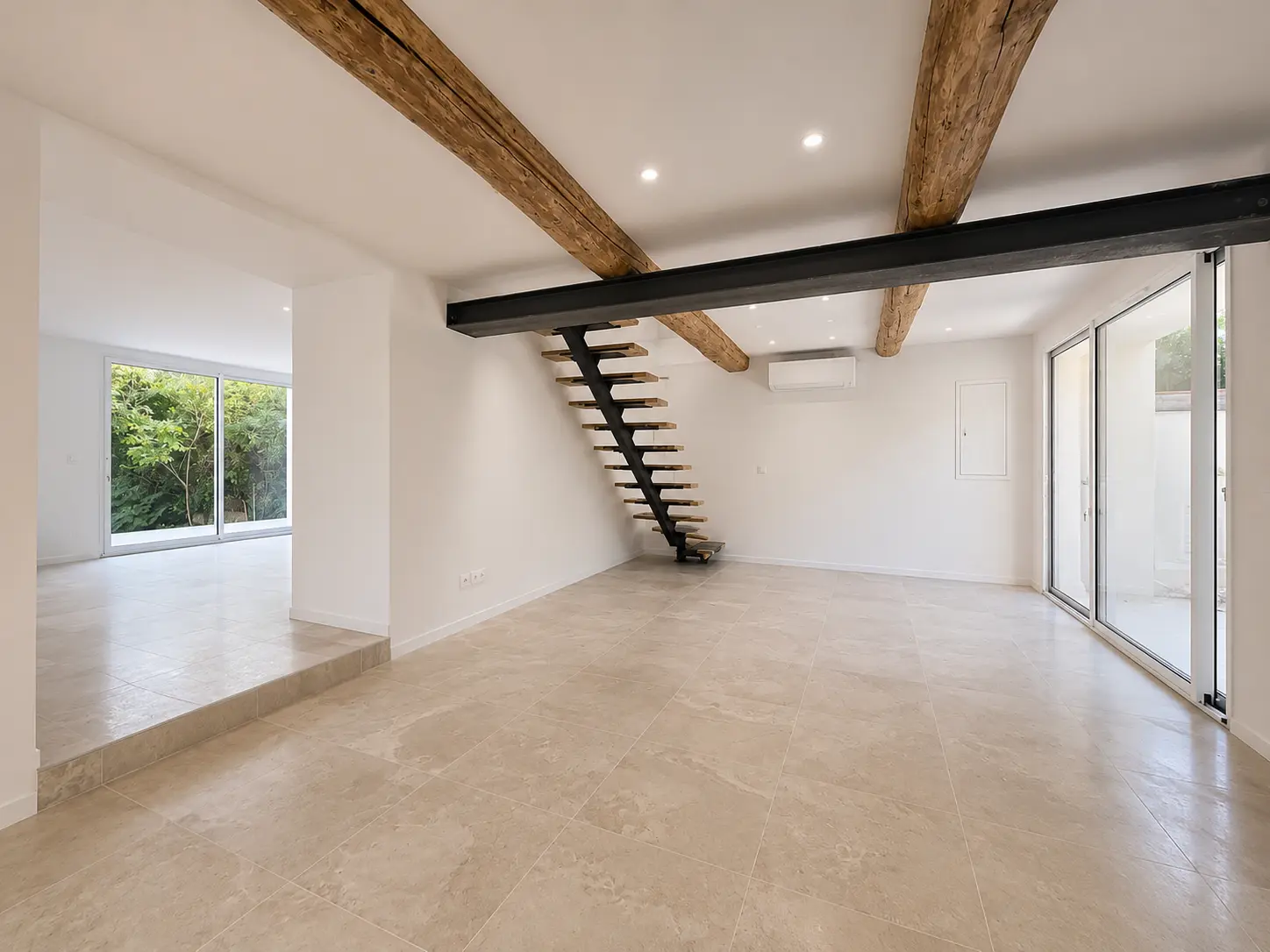
Interior of the same villa
The living spaces were renovated as part of the same project, with the site manager coordinating each trade in turn.
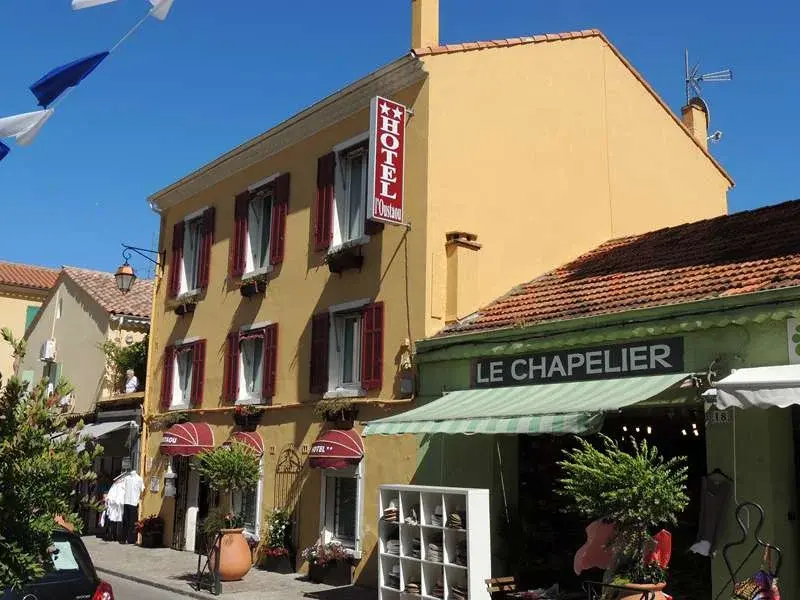
Exterior restoration with ochre render
Complete exterior restoration of a hotel building, with a new render and an ochre finish typical of the region.
Questions owners ask about restoring a mas or a bastide
Straight answers for buyers and owners who are new to renovating an old house in France.
How a mas renovation unfolds, step by step
The same method applies whether you are restoring a small farmhouse in the Luberon or a large bastide in the countryside around Aix-en-Provence. Our agencies in Salon-de-Provence, Cavaillon, Trans-en-Provence and Le Cannet cover the Bouches-du-Rhône, the Vaucluse, the Var and the Alpes-Maritimes, and owners in the Alpilles can also read our page on villa renovation in Saint-Rémy-de-Provence.
Ready to talk about your mas or bastide?
Send us a few photos, the address and what you would like to achieve. We arrange a visit, survey the building and come back with a clear, costed proposal for the restoration.
- Free site visit
- Detailed quote within 48 hours
- One site manager for every trade
- 10-year warranty on structural work
- Respect for the character of the house
Contact us
Other services for your Provençal property
All our renovation services in English | House extensions in Provence | Pool house construction in Provence | Project management for owners abroad | Renovation cost guide for ProvenceA short glossary for foreign owners
Mas
A traditional Provençal farmhouse built in local stone, often enlarged over several generations, with few openings on the north side to shelter it from the mistral wind.
Bastide
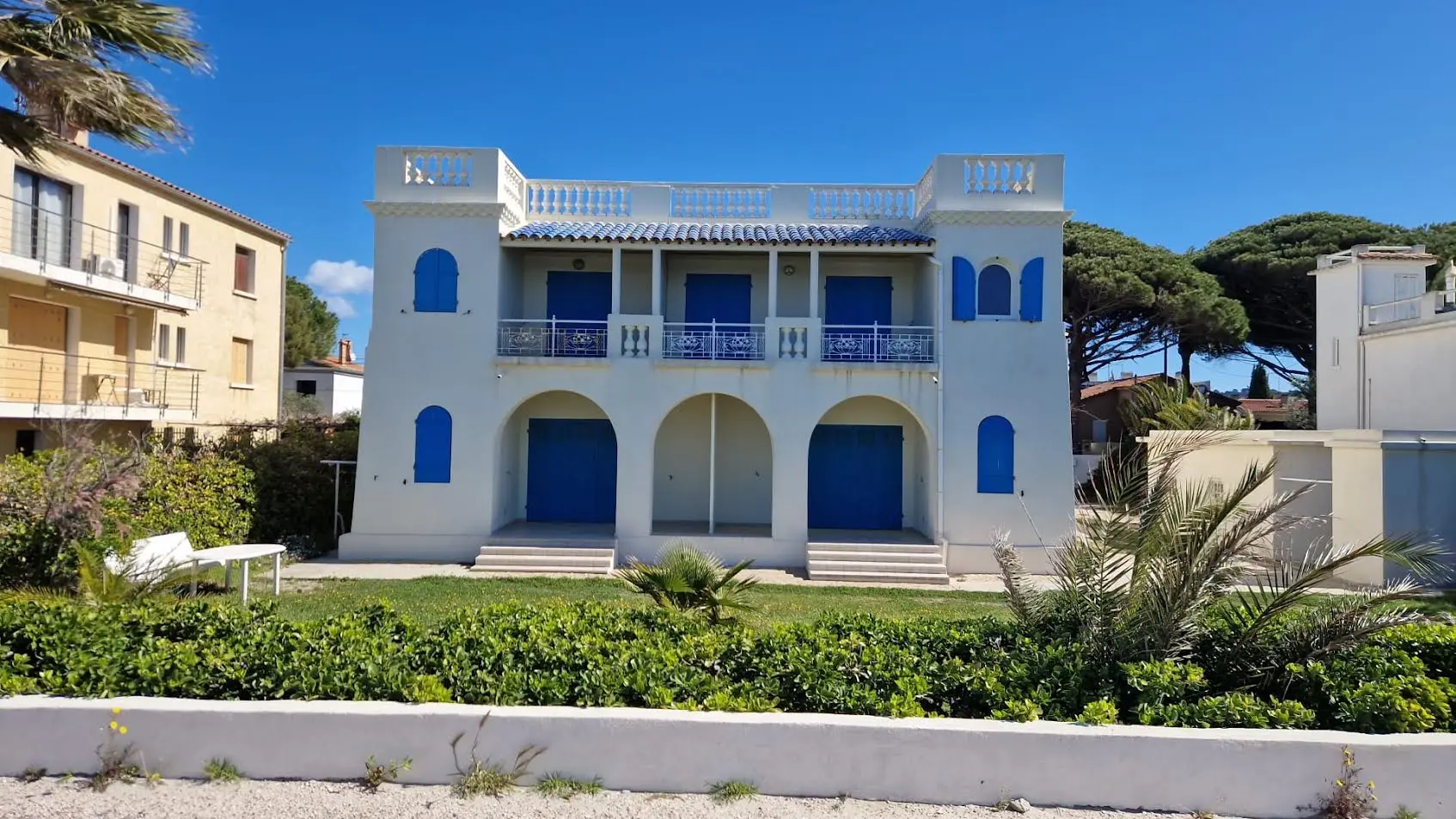
A country manor house, more formal than a mas, with a symmetrical facade, rendered walls and tall windows, often set in its own grounds.
Génoise
Two or three rows of canal tiles set in mortar under the eaves, designed to throw rainwater away from the facade.
Tomettes
Hexagonal or square terracotta floor tiles found in most old Provençal houses, often worth restoring rather than replacing.
Enduit à la chaux
Lime render: a breathable coating that lets old stone walls dry out, unlike cement, which traps moisture inside them.
DPE
The energy performance certificate (diagnostic de performance énergétique) that every seller must provide, and a useful starting point when planning improvements.