Renovation Company in Marseille All 16 arrondissements and the surrounding towns
Marseille is France's oldest city and its second largest, and its housing reflects that: stone buildings from the nineteenth century around the Vieux-Port, 1930s townhouses clinging to the hills of Endoume, post-war residences in the eastern districts and villas facing the sea along the Corniche. For an owner who lives in London, Dublin or New York, the challenge is rarely the design. It is finding one reliable contractor who understands how each of these buildings behaves once the walls are opened.
ACR Provence is a general contractor (entreprise tous corps d'état): structural work, plumbing, electrics, plastering, tiling, joinery and finishes are coordinated under a single contract, with a single point of contact for the whole project. Marseille is one of the key cities in our renovation work across Provence, and every project starts with a site visit before any figure is written down.
Get a free quote within 48 hours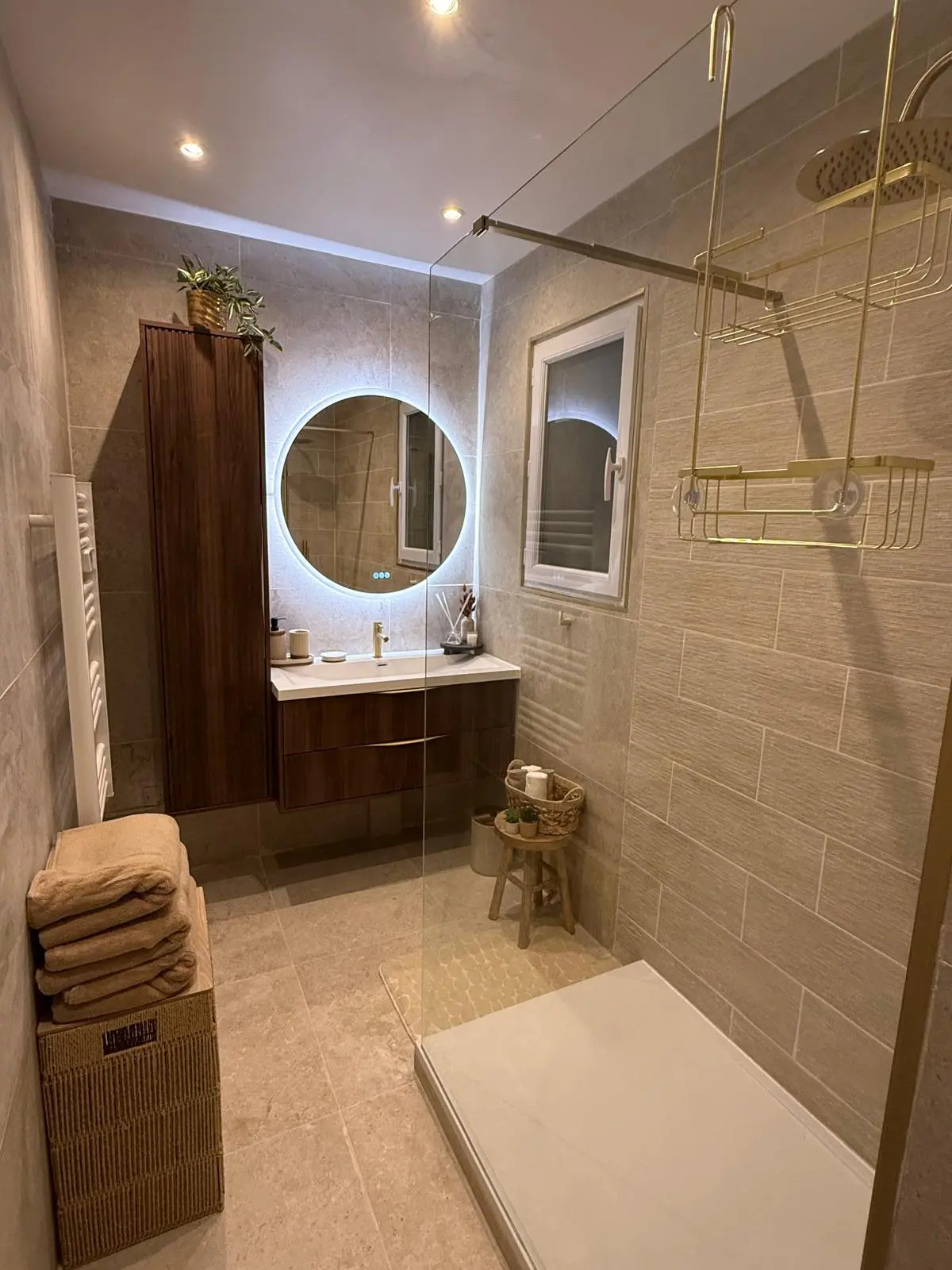
Marseille's building stock: what each type of property tends to need
Two properties on the same street can call for very different work. Below are the four families of buildings we meet most often in the city, with the checks that usually shape the scope of a project. Buyers focused on a flat will find the points to check before a refit in the sections below, and budgets are explained in our renovation cost guide.
- Timber joist floors that may need reinforcingStructure
- Old wiring hidden behind plasterElectrics
- Lead or galvanised supply pipesPlumbing
- Terracotta tiles (tomettes) worth savingFinishes
Heavy materials are often carried up by hand, which is planned from day one.
- Reinforced concrete slabs to cut for new ductsStructure
- Floor tiles and adhesives from before 1997Diagnostics
- Single glazing and little insulationComfort
- Small kitchens to open onto the living roomLayout
Anything touching shared structure is cleared with the building's managing agent (syndic) first.
- Flat roof terraces prone to leaksWaterproofing
- Sloping plots on limestone or clayGroundwork
- Several levels to rewire and replumbNetworks
- Terraces and sea-facing openingsExterior
Foundations on a slope are assessed before any extension or new opening is priced.
- Structural survey before any demolitionStructure
- Lime renders and joints on old stoneMasonry
- Timber windows in keeping with the streetJoinery
- Narrow lanes for deliveriesLogistics
Inside the protected historic perimeter, heritage approval can add two to four months to the schedule.
Six local conditions to plan for before work starts in Marseille
A renovation in Marseille rarely goes wrong because of workmanship alone. It goes wrong when the city's own conditions are left out of the plan. These are the points we look at on every site visit, and how they are handled.
Around the Vieux-Port and in Le Panier, streets can be too narrow for a lorry, buildings often have no lift and parking a skip requires the city's authorisation. None of this is visible on a floor plan sent by email.
Any building completed before 1997 may contain asbestos in coatings, floor tiles or glues, and paint applied before 1949 may contain lead. Finding either halfway through the job stops the site.
In brick, stone and early concrete buildings, a partition that looks light can conceal a concrete post or a steel lintel. Removing it without a check puts the whole building at risk.
Many Marseille townhouses end in a flat roof terrace rather than a pitched tiled roof. Once the membrane cracks, water finds its way into the ceilings below, and new interiors will not last if this is ignored.
When several independent tradesmen are hired from abroad, tiles can be laid before the electrician has finished and walls closed before the plumber has tested the pipes. Everything then has to be reopened.
In properties built before 1960, stripping ceilings and floors often reveals worn cabling, old lead pipes or shallow foundations that no survey could have spotted in advance.
Three Marseille renovations, from first visit to handover
These projects show how the city's building types translate into real schedules. Client details are kept anonymous.
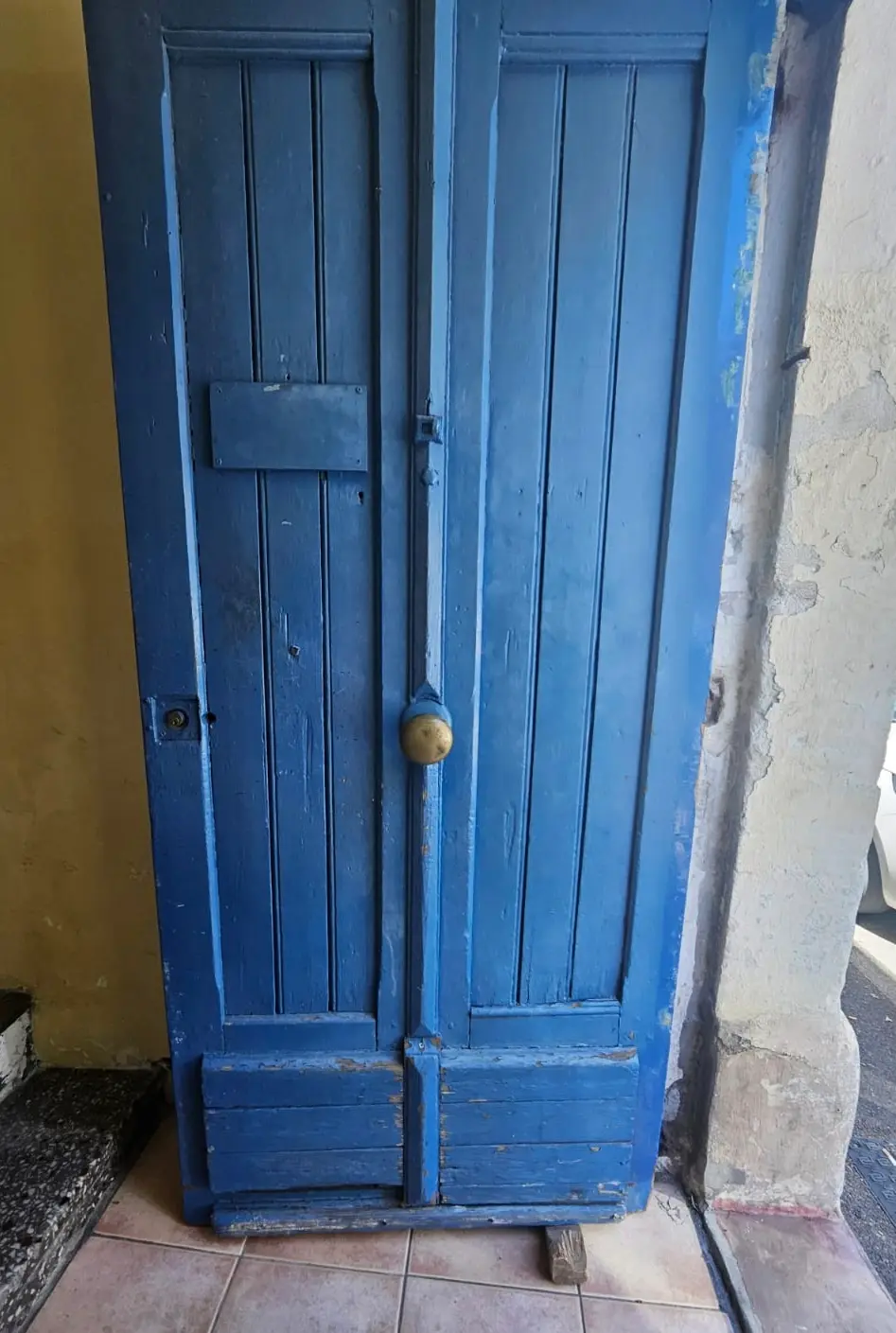
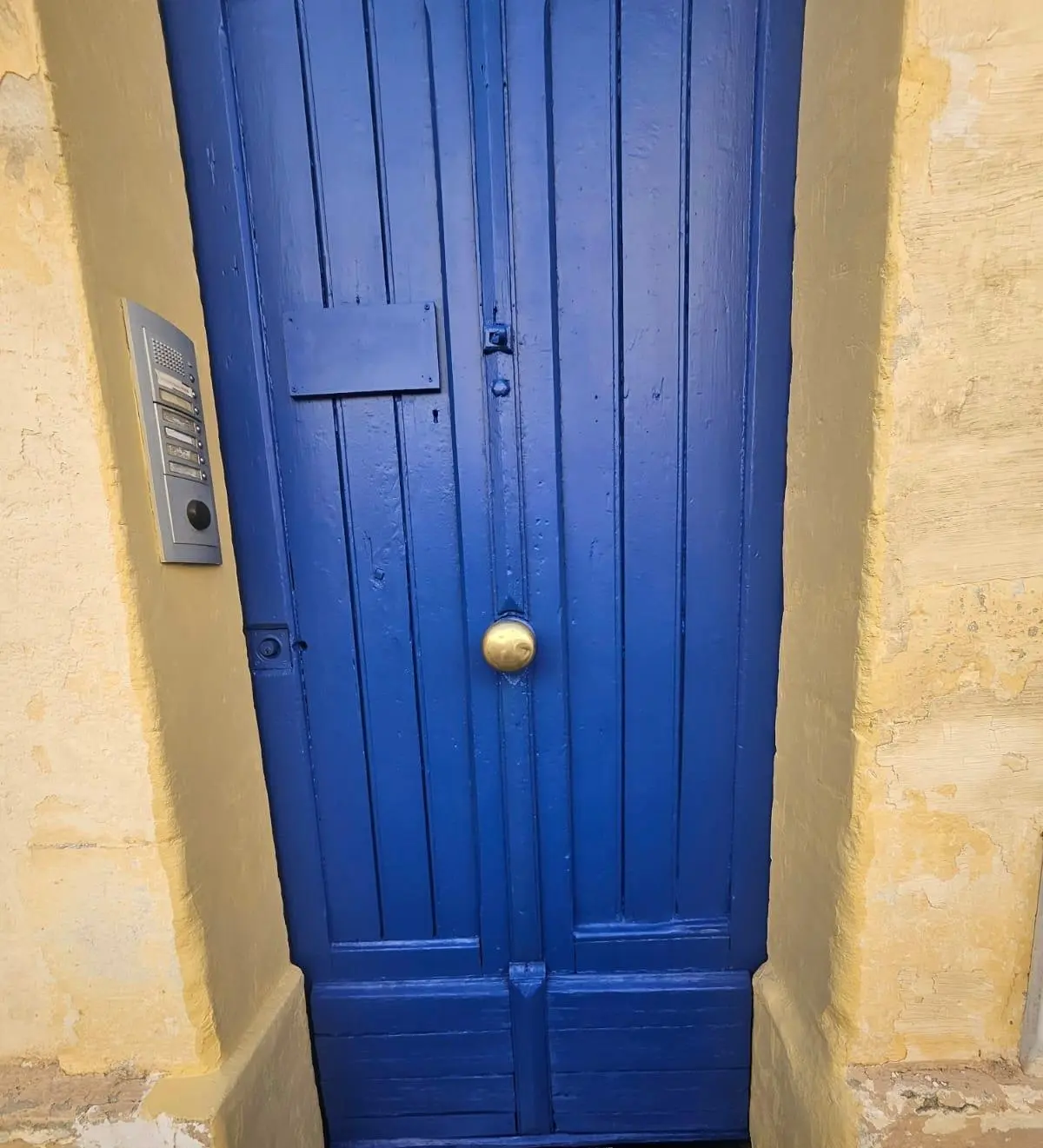
The flat had not been touched for decades: wiring from the 1960s, a kitchen and bathroom to strip out, and a timber floor to strengthen over two spans. The owner wanted the kitchen opened onto the living room through an internal load-bearing wall. Every heavy item went up by hand from a cobbled lane about two and a half metres wide.
The apartment was handed over furnished and decorated, ready for its first tenants.
| Trade | Scope |
|---|---|
| Structure | Wall opening and floor reinforcement |
| Electrics | Complete rewiring to current standards |
| Plumbing | New bathroom and supplies |
| Partitions | Plasterboard with sound insulation |
| Floors | Tiling and oak parquet |
| Kitchen | Fitted kitchen and finishes |
The concrete frame was sound, but the networks were worn out, the roof terrace was cracked and letting water in, and the house had no thermal insulation at all. The brief: a large open kitchen on the ground floor, three bedrooms, two bathrooms and a usable terrace.
Rebuilding the roof terrace, with a two-layer waterproofing membrane and inverted insulation above it, was the most critical stage, as it protected every new ceiling below.
| Trade | Scope |
|---|---|
| Structure | New openings between rooms |
| Roof | Waterproofing and insulation of the terrace |
| Electrics | Rewiring on three levels |
| Plumbing | Two new bathrooms |
| Envelope | Insulation and new windows |
| Exterior | Kitchen and terrace fit-out |
A structurally sound but completely outdated studio: 1950s electrics, no central hot water and no insulation. The goal was a durable, cost-conscious finish suited to holiday lets.
The building was on the city's monitoring list, so the works had to be declared and a structural soundness report supplied at the end. We produced that report as part of the job.
| Trade | Scope |
|---|---|
| Strip-out | Light demolition |
| Electrics | Upgrade to current standards |
| Plumbing | Shower room and hot water |
| Floors | Polished concrete |
| Walls | Lime renders and paint |
| Paperwork | Soundness report for the city |
Neighbourhood by neighbourhood: the buildings you will find
Marseille is a city of villages, and each district has its own architecture and its own practical constraints. This overview helps you anticipate the kind of work a property is likely to need before you visit it.
These are general observations. Every building is assessed individually during the free site visit.
Your questions about renovating in Marseille
Do you work in every part of Marseille?
Yes. We take on projects in all 16 arrondissements, from Le Panier to the Calanques side of the 9th, as well as in the towns around the city. Our teams set out from the Salon-de-Provence agency, around 40 minutes away.
Can the renovation go ahead while I am living abroad?
It can. You receive regular written updates with photos, and video calls can be arranged from the site at key stages. The way we run projects for non-resident owners is set out on our project management page.
Is planning permission needed for works in central Marseille?
Interior work that changes neither the floor area nor the outside of the building usually needs no permit. Changing a window or a facade calls for a prior declaration (déclaration préalable) at the town hall. In the protected historic centre, the conservation architect (Architecte des Bâtiments de France, ABF) must also give approval, which is built into the schedule.
What protects me if something goes wrong after handover?
Our work carries the 10-year warranty (garantie décennale), the insurance-backed liability that French law requires of every builder for defects affecting the soundness of a building.
Can the agreed price change once work has started?
The quote is firm for every item identified during the visit. It only changes if you ask for something different, or if an unforeseeable problem appears once walls or floors are opened. In both cases, you receive a written amendment (avenant) and approve it before any extra work begins.
Beyond the city limits: towns we cover around Marseille
From our Salon-de-Provence agency, the same teams work throughout the Marseille metropolitan area, along the coast and inland:
Continue planning your project
Apartment renovation in Nice | Kitchen and bathroom renovation | Renovation company in Aix-en-Provence
Ready to renovate in Marseille?
Tell us about your property and receive a free quote within 48 hours, or explore the other areas we cover.